
Understanding the Current Cycling Market Landscape
The cycling industry is experiencing significant transformations as it navigates through the competitive landscape of 2026. With the rise of new technologies, increasing sponsorship opportunities, and changing fan engagement strategies, understanding the mercato ciclismo has never been more crucial for teams, athletes, and fans alike. This article delves into the critical aspects of the cycling market, the key players making their mark, and how these elements intertwine to shape the future of competitive cycling.
Recent Trends Affecting Mercato Ciclismo
As the cycling season progresses, several trends are emerging that are influencing the operations within the industry. Firstly, sustainability is becoming a focal point as teams and sponsors are increasingly aware of their environmental impact. Many teams are now adopting eco-friendly practices, from using sustainable materials in bicycles to minimizing waste during races.
- Digital Transformation: The integration of digital technologies is reshaping how teams interact with fans and manage operations. From virtual training sessions to enhanced social media engagement, teams are leveraging technology to create more immersive experiences.
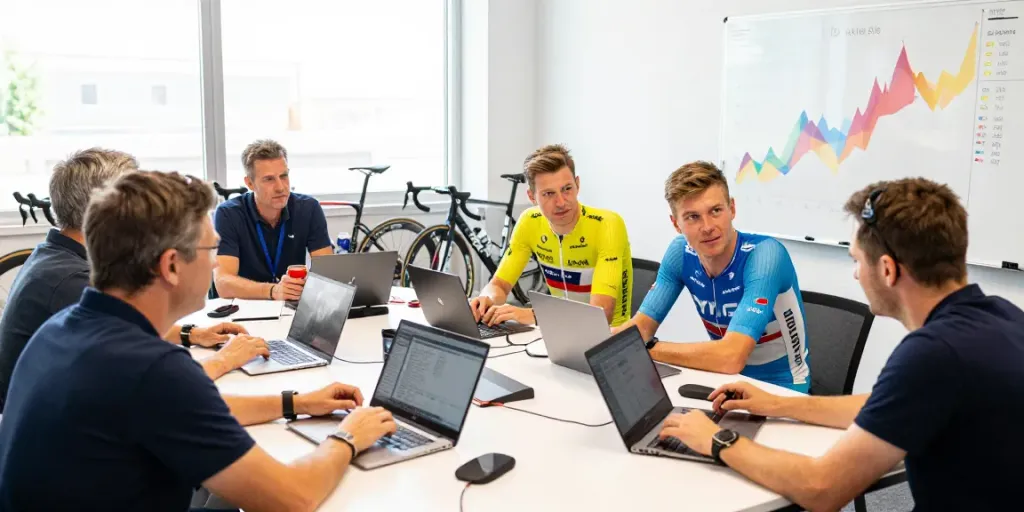
- Data Analytics: Performance metrics are becoming vital. Teams are employing data analytics to study rider performance, optimize training regimens, and strategize for races. This data-driven approach is revolutionizing how decisions are made within teams.
Key Players in the 2026 Cycling Market
The 2026 cycling season is highlighted by the emergence of several key players who are redefining the landscape. Notable teams, such as Team UAE Emirates and Jumbo-Visma, are leading the charge with their investment in high-performance athletes and advanced training methodologies. Additionally, emerging talents like Tadej Pogačar continue to capture the spotlight, demonstrating exceptional skills that keep fans engaged and sponsors interested.
Moreover, the interplay between established stars and rising athletes is crucial. As veteran cyclists transition away from competition, new athletes are stepping in to fill these roles, creating a dynamic environment ripe for competition and innovation.
Impact of Technology on Cyclist Transfers
One of the most notable impacts of technology on the cycling market is the way transfers are conducted. Digital platforms are streamlining the transfer process, making it easier for teams to scout and sign new talent. By utilizing advanced analytics, teams can evaluate potential recruits more effectively, focusing not only on performance metrics but also on riders’ compatibility within the team structure.
Major Events Shaping the 2026 Cycling Season
As the cycling world gears up for major competitions, the implications of these events extend beyond the races themselves. Each event holds significance for the riders, teams, and sponsors, influencing strategies and market dynamics.
Upcoming Cycling Competitions and Their Implications
Major competitions like the 2026 World Championships and the Tour de France will serve as crucial platforms for athletes to showcase their skills. These events are not only about titles; they heavily impact athletes' marketability and sponsorship opportunities.
In particular, the World Championships in Val di Sole will attract the best riders globally, allowing teams to assess their competition and make strategic adjustments before the season peaks. The outcomes of these events often lead to shifts in team compositions as management decides to invest in winning strategies based on performance metrics.
Influence of World Championships on Team Strategies
The World Championships play a pivotal role in shaping team dynamics. The results often prompt immediate reactions in the transfer market, with teams looking to bolster their ranks with successful riders. For example, the performance of athletes like Van der Poel and Rissveds at the 2026 MTB World Championships will likely influence contract negotiations and team compositions significantly.
Market Reactions to Performance Metrics
As teams analyze performance metrics from major events, the insights gathered will dictate future strategies. Strong finishes can lead to increased sponsorship valuations, while underwhelming performances might compel teams to reassess their rosters. For instance, if a team’s key rider performs poorly, management may pivot to scout for new talent, impacting the overall market dynamics.
Strategic Moves: Transfers and Signings
The transfer window remains one of the most critical periods within the cycling calendar. Decisions made during this time can have lasting effects on team success and athlete careers.
Analyzing Recent Team Transfers and Their Impacts
In recent months, significant transfers have already shaken the market. The signing of Jansen to SD Worx-Protime and the reported move of Van Anrooij to a new team reflect a growing trend of focused team-building efforts aimed at enhancing competitive edge. These strategic moves are based on extensive scouting and performance evaluations, showcasing how vital transfer decisions are in today's cycling landscape.
Future Stars to Watch: Rising Talents in Mercato Ciclismo
As veteran cyclists retire or shift their focus, new talents emerge, ready to leave their mark on the sport. Riders like Andreas Leknessund, who recently clinched victory in the Vuelta 2026, are showing potential to redefine success in the cycling world. Teams will undoubtedly keep a close eye on these rising stars as they prepare their rosters for the coming seasons.
Evaluating Team Dynamics Post-Transfer Window
Once the transfer window closes, evaluating the new team dynamics becomes imperative. How well do the new riders integrate with existing team members? Are the strategies defined during the transfer period yielding results? These questions are fundamental as teams prepare for the season. Moreover, a strong team chemistry could be the difference between winning and losing in tightly contested races.
Challenges and Obstacles in the Cycling Market
Despite the exciting prospects of the cycling market, challenges abound that teams and athletes must navigate to achieve success.
Common Misconceptions About Mercato Ciclismo
One prevalent misconception is that only top-tier teams engage actively in transfers. In reality, even smaller teams participate vigorously in the mercato ciclismo, seeking emerging talents and negotiating strategic partnerships to ensure competitiveness. This often leads to a more dynamic market than might be perceived by casual fans.
Navigating Sponsorships and Contracts
Securing sponsorships has become a complex task in today’s cycling environment. New standards and expectations from sponsors mean that teams need to deliver not just on performance but also in fan engagement and brand alignment. Building and maintaining these relationships requires strategic foresight and exceptional management skills.
Economic Factors Influencing Team Budgets
The financial landscape of cycling is shifting. Economic challenges such as inflation and fluctuating sponsorship revenues impact how teams allocate their budgets. In 2026, effective financial management is essential for teams looking to remain competitive without overextending financially.
Future Trends and Predictions for Mercato Ciclismo
As we look to the future, several trends are likely to shape the cycling landscape in the years to come.
What’s Next for Cyclists and Teams?
The demand for more inclusive and diverse cycling environments is rising. Teams are expected to place greater emphasis on recruiting cyclists from various backgrounds, which not only promotes equity in the sport but also broadens the fan base.
Potential Changes in Cycling Regulations
With the landscape evolving, regulations governing transfers and team compositions may also change. The governing bodies might consider implementing policies that facilitate balanced competition to maintain the integrity of the sport.
Long-term Market Predictions and Strategies
In the long term, teams that adopt proactive strategies will likely thrive. This means investing in youth development programs, enhancing fan engagement through digital platforms, and focusing on sustainability. These elements will be critical as teams adapt to an increasingly competitive market.
What Are the Main Influences Impacting Cycling Markets?
Changes in viewer preferences, advancements in technology, and economic conditions will continuously influence the cycling market. Teams must remain agile to capitalize on these trends effectively.
How Will Teams Adapt to Evolving Fan Engagement?
With fan engagement becoming a cornerstone of success, teams will likely invest more in social media strategies, mobile applications, and community outreach programs. Engaging fans not only boosts team visibility but also drives sponsorship opportunities.